
Choosing the correct garage door size is essential for ensuring a proper fit, smooth operation, and convenient access to your garage. While many residential properties use standard garage door dimensions, older homes, oversized vehicles, and unique architectural designs may require a custom-sized door. Selecting the wrong size can create installation challenges, limit vehicle clearance, and affect the door’s overall performance. Understanding standard garage door sizes and the situations that call for custom dimensions helps homeowners make an informed decision when replacing an existing door or planning a new garage.
We sought professional recommendations from ‘Oregon Garage Doors’ on the most common residential garage door dimensions, the differences between standard and custom-sized doors, and what homeowners should consider when measuring their garage opening and selecting a door that fits their property’s requirements.
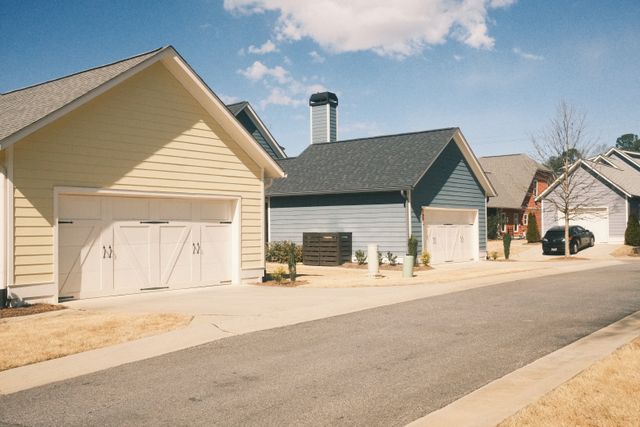
Standard Garage Door Sizes vs. Custom Sizes: What You Need to Know
Standard garage door sizes are designed to accommodate common residential garage openings, making them widely available across many manufacturers and models. Although dimensions can vary depending on the property and door configuration, several measurements are especially common in the United States.
- Standard Single Garage Door Sizes – The most common single-car garage door dimensions are 8 feet wide by 7 feet high and 9 feet wide by 7 feet high. The wider option provides additional clearance when parking and opening vehicle doors. Some garages use 10-foot-wide doors or openings with greater height, depending on the building’s design and the vehicles being stored.
- Standard Double Garage Door Sizes – A 16-foot-wide by 7-foot-high garage door is a common choice for two-car garages. Other options include 16-foot-wide doors with an 8-foot height and wider configurations, depending on the manufacturer. Homeowners should consider the combined width of their vehicles and the space needed to park comfortably before choosing a double garage door.
- Common Garage Door Heights – Seven feet is a widely used residential garage door height, while 8-foot-tall doors are also available for garages that need additional clearance. Taller doors may be appropriate for larger trucks, lifted vehicles, roof-mounted equipment, or other specialized requirements. The available dimensions depend on the selected door model and the structure of the garage.
- Advantages of Standard Garage Door Sizes – Standard-sized doors are commonly available in a wide range of materials, insulation levels, finishes, and styles. Their widespread availability can simplify product selection and replacement planning. Standard dimensions may also make it easier to find compatible products, although track systems, springs, and other hardware must still be selected for the specific door.
- When Custom Garage Door Sizes Are Necessary – Custom garage doors can accommodate nonstandard openings, unusually tall vehicles, wider workshop entrances, and older properties with irregular dimensions. Manufacturers offer different custom sizing options, including incremental width adjustments and extended heights, but availability varies by model. For example, Clopay’s garage door sizing guide explains the range of common residential sizes and custom possibilities.
Key Factors to Consider When Choosing a Standard or Custom Garage Door
Selecting the right garage door size involves more than measuring the width and height of the opening. The surrounding structure, available installation space, and intended use of the garage all influence which dimensions will work best.
- Accurate Opening Measurements – Measure the width and height of the garage opening at appropriate points, and check whether the frame is square and level. Do not assume an existing door’s nominal dimensions exactly match every measurement of the opening. A professional installer can establish the correct ordering dimensions for the specific installation.
- Side Room and Headroom – Side room is the available space beside the opening for tracks and hardware, while headroom refers to the clearance above the opening. Insufficient headroom can affect the spring system, overhead tracks, and opener installation. Specialized low-headroom hardware may be available for certain configurations.
- Backroom and Ceiling Clearance – Backroom is the distance from the garage opening toward the rear of the garage. The required distance depends on the door’s height, track arrangement, and opener system. Pipes, lights, storage racks, and ceiling obstructions should also be considered before choosing a door.
- Vehicle Dimensions and Clearance Needs – Homeowners should consider their current vehicles as well as possible future needs. Large SUVs, full-size trucks, lifted vehicles, and roof racks may require additional height or width. A garage used for equipment storage or workshop activities may also benefit from a larger opening.
- Existing Structure and Hardware Compatibility – Customizing a garage door opening may require adjustments to the framing, tracks, spring system, or opener. A custom-sized door must be compatible with the available structure and intended operating system. If the opening itself needs to be modified, the project may involve additional construction work.
Is a Custom-Sized Garage Door Worth Considering?
A custom-sized garage door is worth considering when standard dimensions do not provide adequate clearance or cannot fit the existing opening correctly. This is particularly relevant for older homes, garages with unusual proportions, properties with oversized vehicles, and buildings designed for specialized storage or workshop use. Custom sizing also allows homeowners to maintain the proportions of a distinctive architectural design instead of forcing an unsuitable standard door into the opening. However, a nonstandard size is not always necessary simply because the existing door looks unusual. Before ordering, ask a qualified garage door professional to measure the opening, assess the available headroom and backroom, and confirm which standard or custom configurations are compatible. Manufacturers such as Amarr offer a range of residential dimensions, although the available sizes depend on the particular model. Accurate measurements and professional assessment help prevent ordering errors and installation problems.
In conclusion, choosing between standard and custom garage door sizes depends on the dimensions of your opening, the vehicles you need to accommodate, and the space available for the door’s operating hardware. By measuring carefully, considering the installation space, and consulting a qualified garage door professional, homeowners can select a door that fits properly, operates reliably, and meets their long-term needs.
Written by Connecticut Garage Doors, your local garage doors and gate technician in West Haven Garage Door, Stratford Garage Door, New Britain Garage Door, Hamden Garage Door, New Haven Garage Door, East Hartford Garage Door, Winsted Garage Door, Hartford Garage Door, Newington Garage Door, Vernon Garage Door, Windsor Garage Door, New Milford Garage Door, Simsbury Garage Door, Meriden Garage Door, Cheshire Garage Door, Enfield Garage Door, Torrington Garage Door, Glastonbury Garage Door, Naugatuck Garage Door, Branford Garage Door, Bristol Garage Door, Wallingford Garage Door, Southington Garage Door and Windham Garage Door.